
The global foreign exchange market processes over $6.6 trillion in daily transactions, making it the largest financial market in the world. For forex businesses operating in this fast-paced world, having the right forex merchant account solutions isn’t just important—it’s essential for survival. Whether you’re a forex broker, trading platform, or investment firm, accepting payments from clients across multiple currencies requires specialized payment solutions that traditional merchant accounts simply cannot provide.
In this comprehensive guide, we’ll explore everything you need to know about forex merchant accounts, from understanding why forex businesses are considered high risk to choosing the right provider for your specific business objectives. You’ll discover the essential features that make forex payment processing different, learn how to navigate the complex application process, and understand how to overcome common challenges in this competitive world.

What is a Forex Merchant Account?
A forex merchant account is a specialized payment processing solution designed specifically for businesses engaged in currency trading, foreign exchange services, and related financial activities. Unlike standard merchant accounts that handle typical e-commerce transactions, forex merchant account solutions are tailored to support the unique challenges of the forex industry, including the need to process payments in multiple currencies and handle the volatile nature of international financial transactions.
The key difference between a forex merchant account and traditional merchant accounts lies in their ability to handle cross-border transactions effectively. While a standard merchant account might struggle with currency conversion and international payments, forex merchant account solutions are built from the ground up to support the $6.6 trillion daily volume of the forex market. This includes processing deposits and withdrawals for forex traders, handling margin calls, and facilitating real-time settlements across different time zones.
Forex merchant account solutions enable forex brokers and trading platforms to accept payments through various payment methods, including debit cards, bank transfers, wire transfers, and increasingly, alternative payment methods like digital wallets and cryptocurrencies. They’re specifically designed to support businesses involved in currency exchange, contract-for-difference (CFD) trading, and other over-the-counter financial instruments.
For forex trading businesses, these specialized merchant accounts provide the infrastructure needed to operate in international markets while maintaining compliance with regulations from multiple jurisdictions. They support trading operations that require 24/7 availability, matching the round-the-clock nature of currency markets where exchange rates fluctuate constantly.
The global reach of forex merchant account solutions means that a single trading platform might need to handle transactions from clients in dozens of countries, each with their own preferred method of payment and regulatory requirements. This complexity is why forex businesses need more than just basic payment services—they need comprehensive forex payment systems that can adapt to the demands of this fast-paced world.
Why Forex Businesses Are Considered High-Risk
Financial institutions and payment processors classify forex businesses as high risk due to several inherent characteristics of the foreign exchange market and the businesses that operate within it. Understanding these risk factors is crucial for any forex business seeking approval for forex merchant account solutions and helps explain why traditional banks often deny applications from forex companies.
The volatile nature of currency markets creates the primary risk factor. Currency fluctuations can be dramatic and sudden, affecting not only trading positions but also the financial stability of forex businesses themselves. When exchange rates move rapidly, it can lead to significant losses for both traders and the platforms facilitating their transactions. This volatility extends to the business model itself, where trading volume and revenue can vary dramatically based on market conditions—making forex merchant account solutions vital for managing these operational risks effectively.
Regulatory complexities across different jurisdictions present another significant challenge. The forex industry operates under varying levels of regulation worldwide, with some regions having strict oversight from authorities like the Financial Conduct Authority, while others maintain lighter regulatory frameworks. This patchwork of regulations creates compliance challenges and increases the risk of regulatory violations, making financial institutions cautious about providing services to forex businesses. Specialized forex merchant account solutions help navigate these differences by maintaining compliance tools and global support systems for multi-jurisdictional operations.
High chargeback rates plague the forex industry more than most other sectors. When forex traders lose money, they sometimes dispute charges with their banks, claiming fraud or unauthorized transactions. These chargebacks can be particularly problematic because forex transactions often involve large amounts and occur frequently. Payment processors offering forex merchant account solutions must account for these elevated chargeback rates when assessing risk and setting fees, using advanced risk management and fraud detection tools to minimize exposure.
Traditional banks often view the combination of these factors—volatility, regulatory complexity, high chargebacks, and money laundering risks—as too risky for their standard merchant account programs. This is why forex businesses typically need to work with specialized high-risk providers who understand the industry and have developed appropriate strategies to manage such challenges through reliable forex merchant account solutions.
Essential Features of Forex Merchant Accounts
Successful forex payment processing requires specific capabilities that go far beyond what standard merchant accounts offer. These essential features are designed to handle the complexities of international financial transactions while maintaining the security and compliance standards required in today’s regulatory environment.
Multi-Currency Processing Capabilities
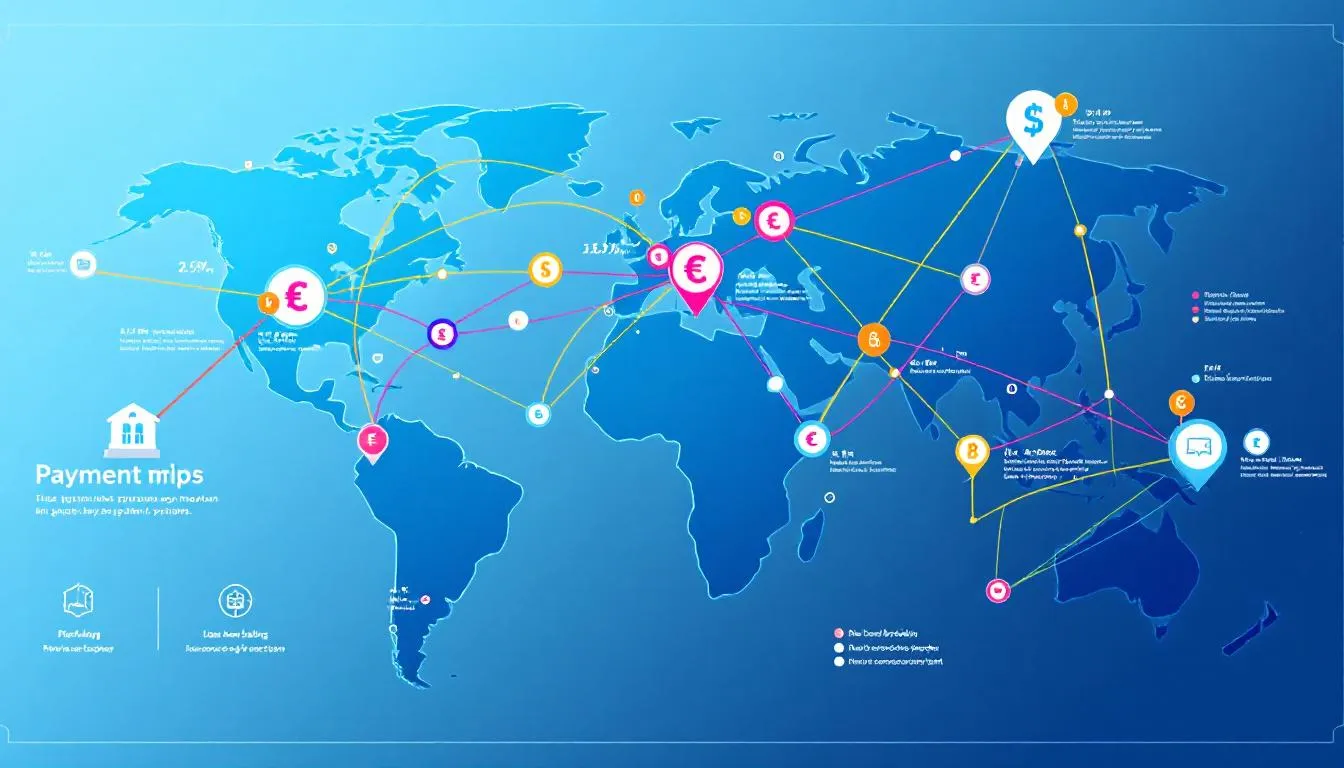
The backbone of any effective forex merchant account is its ability to handle multiple currencies seamlessly. Leading forex payment solutions typically support 110+ currencies for transaction processing and offer settlement in 14+ major currencies. This extensive currency support allows forex businesses to accept payments from clients worldwide without forcing customers to deal with unfavorable currency conversion rates.
Real-time currency conversion capabilities ensure that both forex merchants and their clients receive fair exchange rates that reflect current market conditions. The best forex payment gateways update their conversion rates continuously throughout the trading day, providing transparency and competitive pricing for international payments.
Cross-border transaction processing goes beyond simple currency conversion. It includes handling the complex routing of international payments, managing settlement times across different banking systems, and ensuring compliance with anti-money laundering regulations in multiple jurisdictions. This capability is essential for forex trading platforms that serve clients from different countries and need to process fx payments efficiently.
Settlement flexibility allows forex businesses to choose how and when they receive their funds. Some providers offer same-day settlement options, which can be crucial for businesses that need quick access to funds for trading operations or to manage liquidity requirements. The ability to settle in different currencies also helps forex businesses manage their own currency exposure and optimize their cash flow.
Advanced Security and Fraud Protection
Security in forex payment processing goes far beyond basic encryption. Advanced fraud detection systems use artificial intelligence and machine learning to identify suspicious patterns in real-time transaction monitoring. These systems can detect unusual trading patterns, rapid-fire transactions, or other indicators that might suggest fraudulent activity or money laundering attempts.
Award-winning risk management software has become a standard feature among top forex payment providers. These systems analyze transaction history, customer behavior, and market conditions to assess risk levels automatically. They can flag transactions for manual review, temporarily hold suspicious payments, or automatically approve low-risk transactions to maintain smooth payment processes.
Two-factor authentication and secure payment gateways protect both forex businesses and their clients from unauthorized access. Modern forex payment solutions implement multiple layers of security, including encrypted communications, secure tokenization of payment data, and regular security audits to maintain the highest standards of protection.
Fraud prevention measures specifically designed for the forex industry address unique risks like account takeovers, where criminals gain access to trading accounts to make unauthorized transactions. These specialized protections understand the typical patterns of forex trading and can distinguish between legitimate high-frequency trading and potentially fraudulent activity.
Regulatory Compliance and KYC
Strict KYC (Know Your Customer) and AML (Anti-Money Laundering) compliance procedures are not just recommended for forex businesses—they’re mandatory. Effective forex merchant accounts include built-in compliance tools that streamline the customer verification process while ensuring thorough documentation of all client interactions and transactions.
Alignment with Financial Conduct Authority regulations and other international regulatory standards ensures that forex businesses can operate legally across multiple jurisdictions. The best forex payment solutions stay current with changing regulatory requirements and automatically update their compliance procedures to maintain adherence to evolving standards.
Support for both regulated and unregulated forex merchants recognizes that the regulatory landscape varies significantly across different regions. While regulated brokers with a firm reference number may have easier access to payment processing, unregulated businesses can still find compliant solutions through providers that specialize in serving the full spectrum of forex businesses.
Comprehensive documentation and audit trail capabilities provide the detailed records that regulators require. This includes maintaining transaction histories, customer verification records, and compliance reports that can be easily accessed during regulatory inspections or audits.
How to Choose the Right Forex Merchant Account Provider
Selecting the appropriate forex merchant account provider can make the difference between seamless payment operations and constant operational headaches. The decision requires careful evaluation of multiple factors that directly impact your ability to serve clients effectively while maintaining profitability and compliance.
Experience with high risk merchant accounts, particularly in the forex industry, should be your primary consideration. Providers who understand the unique challenges of forex businesses are better equipped to offer tailored payment solutions that address industry-specific issues like high trading volume, currency fluctuations, and regulatory requirements across different markets.
Approval rates for forex transactions vary significantly among providers. Some specialize in serving businesses that traditional banks consider too risky, offering higher approval rates for forex trading businesses. Look for providers who can demonstrate successful partnerships with similar companies and who understand the business model of forex trading platforms.
Transaction fees structure requires careful analysis, as costs can vary dramatically based on processing volume, currency types, and settlement preferences. Compare not just the headline rates, but also monthly fees, setup charges, chargeback fees, and any additional costs for services like real-time transaction monitoring or compliance reporting.
When evaluating potential providers, consider these key factors:
| Evaluation Criteria | Questions to Ask |
|---|---|
| Industry Experience | How many forex businesses do they currently serve? |
| Approval Success | What’s their approval rate for forex merchant accounts? |
| Currency Support | How many currencies can they process and settle? |
| Integration Options | Do they support your trading platform’s technology? |
| Compliance Support | What KYC/AML tools do they provide? |
| Settlement Speed | How quickly can you access funds? |
| Support Quality | Do they offer dedicated account managers? |
Integration capabilities with popular forex trading platforms can significantly impact implementation time and ongoing operations. The best providers offer pre-built integrations with major trading platforms and provide technical support to ensure smooth implementation. This includes API documentation, testing environments, and ongoing technical support.
Customer support quality becomes particularly important in the 24/7 world of forex trading. Look for providers who offer round-the-clock support and assign dedicated account managers who understand your business. The forex market never sleeps, and neither should your payment processing support when issues arise.
Geographic coverage affects your ability to serve clients in different regions. Providers with global reach can help you expand into new markets by offering local payment methods and ensuring compliance with regional regulations. Some providers specialize in specific regions, while others offer truly global coverage.
Application Process and Requirements
The application process for a forex merchant account is significantly more rigorous than applying for standard merchant accounts. Understanding the requirements and preparing thoroughly can improve your chances of approval and speed up the process.
Transaction history documentation forms the foundation of most applications. Providers typically require 3-6 months of processing history showing stable trading volume and low chargeback rates. If you’re a new business without processing history, you’ll need to demonstrate robust payment security measures and provide detailed projections for trading operations.
Business licensing and regulatory compliance documentation must be comprehensive and current. This includes your company registration, any financial services licenses from relevant authorities, and proof of compliance with applicable regulations. If you have a firm reference number from the Financial Conduct Authority or similar regulatory bodies, include this prominently in your application.
Enhanced due diligence requirements reflect the high risk classification of forex businesses. Be prepared to provide detailed information about:
- Business ownership structure and beneficial owners
- Source of startup capital and ongoing funding
- Target markets and customer demographics
- Risk management procedures and policies
- Compliance procedures for KYC and AML
- Detailed business plan with revenue projections
Minimum processing volume requirements vary by provider, but many international acquirers require significant monthly volumes to justify the enhanced risk management required for forex businesses. Be prepared to demonstrate that your trading volume will meet these thresholds consistently.
Financial stability documentation helps providers assess your ability to handle potential chargebacks and maintain operations during market volatility. This typically includes recent financial statements, bank references, and sometimes personal guarantees from business owners.
The approval timeline for forex merchant accounts typically ranges from 2-8 weeks, depending on the complexity of your business model and the thoroughness of your application. Incomplete applications or businesses that don’t meet the provider’s risk criteria can face longer delays or outright rejection.
To improve your approval chances, ensure your application addresses potential concerns proactively. This includes explaining any past processing issues, demonstrating robust fraud prevention measures, and showing clear understanding of regulatory requirements in your target markets.

Common Challenges and Solutions
Forex businesses face unique obstacles in payment processing that require specialized solutions and strategic approaches. Understanding these challenges and their solutions can help you maintain smooth payment operations and protect your business from common pitfalls.
Account terminations represent one of the most significant challenges facing forex merchants. Traditional financial institutions often terminate accounts with little warning when they reassess risk tolerance or face regulatory pressure. The solution lies in establishing relationships with multiple providers and maintaining backup processing solutions. Diversifying your payment processing across several specialized providers ensures continuity of service even if one provider discontinues service.
High processing fees are a reality for forex businesses due to their high-risk classification, but there are strategies to manage costs effectively. Negotiating competitive rates requires demonstrating stable processing volumes, low chargeback rates, and strong compliance procedures. Some providers offer volume discounts or reduced rates for businesses that maintain reserves or provide additional guarantees.
Payment rejections can disrupt trading operations and frustrate clients. The best forex payment solutions optimize approval rates through sophisticated risk assessment tools that can distinguish between legitimate forex transactions and potentially fraudulent activity. Working with providers who understand trading patterns helps reduce false positives that lead to legitimate payment rejections.
Instant withdrawal demands from traders create operational challenges, as traditional banking systems often require several business days for international transfers. Solutions include implementing same-day settlement options, offering alternative payment methods like digital wallets for faster withdrawals, and clearly communicating processing times to manage customer expectations.
Complex international regulations require ongoing attention and expertise. The solution involves partnering with providers who offer dedicated compliance support and stay current with regulatory changes across multiple jurisdictions. Some providers offer compliance-as-a-service, handling KYC verification, transaction monitoring, and regulatory reporting on behalf of forex businesses.
Chargeback management becomes critical when rates exceed industry norms. Advanced dispute management systems can help forex businesses respond to chargebacks more effectively, providing the documentation and evidence needed to successfully dispute illegitimate claims. Prevention strategies include clearer communication with clients about trading risks and implementing stronger customer verification procedures.
Currency conversion issues can affect both costs and customer satisfaction. Solutions include partnering with providers who offer competitive exchange rates, transparent conversion fees, and the ability for customers to fund accounts in their preferred currencies. Some advanced forex payment gateways allow customers to maintain multi-currency balances, reducing conversion frequency.
Benefits of Specialized Forex Payment Processing
Specialized forex payment processing delivers advantages that go far beyond basic transaction handling, providing forex businesses with the tools and capabilities needed to compete effectively in international markets while maintaining operational efficiency and regulatory compliance.
Access to global markets becomes seamless with the right forex payment solutions. Leading providers support local payment methods popular in specific regions, such as Alipay and WeChat Pay for Asian markets, enabling forex businesses to serve clients in their preferred payment format. This local payment method support can significantly increase conversion rates and customer satisfaction in target markets.
Next-day settlements improve cash flow management for forex businesses that need quick access to funds for trading operations or to meet margin requirements. Unlike traditional merchant accounts that may hold funds for several days, specialized forex payment processing often offers accelerated settlement schedules that match the fast-paced nature of currency markets.
High acceptance rates are achieved through providers who understand forex business models and have developed risk assessment tools specifically for the industry. The best approval rates in the market often come from providers who specialize exclusively in high-risk industries and have refined their underwriting criteria for forex businesses.
24/7 processing capabilities match the round-the-clock nature of forex markets. Global currency markets operate continuously across different time zones, and forex payment processing must support this always-on environment. Specialized providers ensure that deposits, withdrawals, and other payment processes can occur at any time, maximizing trading opportunities for clients.
Dedicated account managers with forex industry experience provide invaluable support for complex payment processing needs. These specialists understand the unique challenges of forex businesses and can provide guidance on compliance issues, optimization strategies, and expansion into new markets.
Integration with advanced technologies like Visa Direct enables rapid payouts that can be completed in minutes rather than days. This capability is particularly valuable for forex businesses serving active traders who need quick access to their funds for continued trading activities.
Enhanced reporting and analytics tools designed for forex businesses provide insights into payment patterns, customer behavior, and operational efficiency. These tools can help identify optimization opportunities, detect potential compliance issues, and support business growth strategies.
Risk management tools specifically designed for forex trading help businesses maintain healthy chargeback rates and comply with regulatory requirements. These specialized tools understand the patterns of legitimate forex trading and can distinguish between normal trading activity and potentially problematic transactions.
The competitive advantage gained through superior payment processing can be substantial in the forex industry, where customer experience and operational reliability directly impact client retention and business growth. Forex businesses that invest in specialized payment solutions often find that improved payment processing becomes a key differentiator in attracting and retaining clients.
Multi-currency account management capabilities allow both businesses and their clients to maintain balances in different currencies, reducing conversion costs and providing flexibility in managing currency exposure. This feature is particularly valuable for businesses serving clients who trade multiple currency pairs or who prefer to maintain accounts in their base currency.
Lower costs over time can result from reduced chargebacks, improved approval rates, and optimized settlement procedures. While specialized forex payment processing may have higher upfront costs, the operational efficiencies and reduced risk often result in lower total cost of ownership compared to attempting to use standard merchant accounts that aren’t designed for forex businesses.

Conclusion
Navigating the world of forex merchant accounts requires understanding the unique challenges and opportunities that come with operating in this high-risk, high-reward industry. From managing multiple currencies and ensuring regulatory compliance to handling the volatile nature of currency markets, forex businesses need specialized payment solutions that go far beyond what traditional merchant accounts can provide.
The key to success lies in choosing the right provider who understands your business objectives and can deliver the exceptional service that your clients expect. Whether you’re a established forex broker looking to expand into new markets or a startup trading platform seeking your first merchant account, the principles remain the same: prioritize compliance, seek providers with proven experience in the forex industry, and invest in payment solutions that can scale with your business growth.
The benefits of specialized forex payment processing—from access to global markets and next-day settlements to advanced security features and dedicated support—far outweigh the additional complexity involved in obtaining these accounts. As the forex market continues to grow and evolve, having robust payment processing infrastructure becomes not just an operational necessity, but a competitive advantage that can drive business success in this fast-paced world.
For forex businesses ready to optimize their payment processing, the next step is researching specialized providers who can deliver the tailored payment solutions your business needs to thrive in international markets.